
Selling a home with termites can feel like a major headache. Is it illegal to sell a house with termites in Fort Walton Beach, FL? No, but you must tell buyers about the problem or risk legal trouble. In this guide, you’ll learn what steps to take and your selling options.
If you’re feeling a bit stress or just unsure, let We Buy Houses Cash Florida home buyers take some of the burden off of your shoulders.
With just five minutes of your time, we can give you a no-pressure fair cash offer on your Ft. Walton Beach house. It’s really that simple. Contact us for a free cash offer today!
Keep reading to learn how selling your house could affect these benefits—and what you can do about it!
Key Takeaway Points To Consider
- Selling a house with termites is not illegal, but you must disclose the issue to buyers to avoid lawsuits or fines.
- Many states, like Texas, require sellers to reveal any termite history and provide proof of treatments or inspections.
- Termite damage can lower a home’s value by 20–25%. Repairs can cost from $500 for drywall fixes to $6,000 for crawl space problems.
- You can sell your home as-is to cash buyers quickly, but expect lower offers due to the termite damage.
- Prevent future infestations with regular pest control, sealing cracks, and keeping moisture away from your home’s foundation.
Legal Considerations When Selling a House With Termites
Selling a house with termites can feel tricky. Laws vary, but honesty about damage is often required.
Disclosure laws regarding termite infestations
Sellers must be honest about termite infestations. Many states, like Texas, require full disclosure of any termite history under property laws. If you know there’s damage or an active infestation and hide it, you could face legal trouble or lose the sale.
Provide buyers with proof of pest control treatments or inspections. Active termites often need treatment before listing the home. States may also demand written records showing the issue was addressed.
Always check local rules to avoid penalties later on.
Penalties for failing to disclose termite damage
Failing to disclose termite damage can lead to serious trouble. Buyers may file lawsuits against you after the sale if they find hidden infestations or structural damage. Courts could force you to pay for repairs, which may cost thousands of dollars.
Financial penalties might not stop there. You could also be held liable for fraud or breach of contract in some states. For example, if damage affects the home’s foundation or subfloors and wasn’t disclosed, legal fees might pile on top of repair costs.
It’s better to face termites upfront than risk losing money later.
Identifying Termite Problems in Your Home
Termites are sneaky, silent destroyers that can cause big trouble if ignored. Spotting signs early saves you time, money, and maybe your peace of mind!

Common signs of termite damage
Termites can cause massive headaches for homeowners. Spotting the signs early can save you time, money, and stress.
- Mud tubes are a clear warning. These pencil-thin tunnels run along walls, crawl spaces, or foundations, shielding termites as they move between food and their colony.
- Hollow-sounding wood is a serious concern. If your flooring or furniture sounds empty when tapped, termites might be eating it from the inside out.
- Discarded wings pile up near windows or doors after swarms of termites shed them during mating season. This is often a sign of active termites nearby.
- Termite droppings, also called frass, appear like tiny wood-colored pellets around damaged areas. These could indicate drywood termites nesting inside wood structures.
- Bubbling paint or discolored drywall points to moisture trapped by termite activity behind the surface.
- Warped floors or squeaky floorboards may indicate structural damage caused by hidden infestations.
- Peeling paint occurs because moisture builds up beneath surfaces due to termite intrusion.
- Sticking doors and windows often happen since these pests chew through wooden frames, making them swell or warp out of place.
- Cracked walls may form when termites weaken the timber holding walls together after years of feeding.
- Loose tiles point to underlying moisture issues caused by subterranean termite colonies surviving underground.
Every sign signals potential damage worsening over time if left unchecked!
Importance of termite inspections
Spotting termite droppings or hollow-sounding wood is only half the battle. A professional termite inspection digs deeper. Experts can find active termites and hidden damage in crawlspaces, basements, or even behind bubbling paint.
Missing these signs now could lead to costly repairs later.
Over 600,000 homes in the U.S. face termite problems each year. Termite inspections typically cost $100–$150 in Texas but save you thousands by catching issues early. Inspectors also check for mud tubes, moisture issues, and structural damage that could harm your home foundation or property value long-term.
Options for Selling a Termite-Damaged House
Selling a house with termite damage in Ft. Walton Beach isn’t the end of the world. You have choices that depend on your budget, time, and how bad the damage is.

Repairing the damage before listing
Fixing termite damage can boost your property value and attract more buyers. Start by scheduling a professional termite inspection. This step helps identify active termites, hollow-sounding wood, or mud tubes that may need immediate attention.
Repair costs vary: drywall fixes cost around $500, while crawl space repairs climb to $6,000. Carpentry work might set you back $1,050.
Budget for termite treatment too. Soil treatments or bait systems range from $250 to over $20,000. Once repaired and treated, get a termite clearance letter from a licensed pest control company.
This document reassures buyers the infestation is gone and shows due diligence on your part!
Selling the house as-is to a cash buyer
You can sell your house as-is to a cash buyer without repairing termite damage. Cash buyers often purchase properties quickly, closing within just 7 days. This skips the hassle of repairs and real estate commissions, saving you time and effort.
The downside is a lower sale price compared to traditional sales. Cash buyers may factor termite damage into their offers, reducing profits. Be upfront about the termite history during the process to avoid legal troubles later on.
Factors to Consider When Choosing a Selling Strategy
The state of your home’s termite damage can shape your selling choices. Consider how much time and money you’re ready to spend fixing the issues or leaving them for the buyer.
Severity of the termite damage
Severe termite damage can destroy your home’s structure over time. Large termite colonies, like Formosan termites, can eat through wood in as little as eight years. Even smaller infestations weaken walls, floors, and foundations quickly.
Signs of serious damage include hollow-sounding wood, sagging floors, and bubbling or peeling paint. Subterranean termites build mud tubes to travel and feed on damp wood or dry wood inside your home.
If left unchecked for three years, a colony could cause thousands of dollars in repair costs. You should act fast to assess the depth of the problem before deciding on repairs or listing the property for sale.
Budget for repairs or treatments
Fixing termite damage isn’t cheap, but it might boost your home’s value. Repair costs vary by the type of damage. Basic repairs like drywall cost around $500. More serious issues, such as crawl space fixes, can run up to $6,000.
Treating active termites adds to expenses too—expect to spend between $250 and $20,250 based on the severity.
You’ll need to decide how much you’re willing or able to pay upfront. Simple treatments like bait stations may be affordable for smaller infestations. Bigger problems involving structural damage or attic insulation repairs can dig deeper into your wallet, with some jobs exceeding $1,900 for insulation alone.
Plan carefully while balancing repair costs against potential sale price gains.
Timeframe for selling
Selling a house as-is to a cash buyer can wrap up in just 7 days. This option is fast and skips time-consuming repairs or termite treatments.
Repairing termite damage first might take weeks or months. Inspections, repair work, and finding buyers all add time to the process. Severe structural damage or moisture issues can stretch this timeframe further.
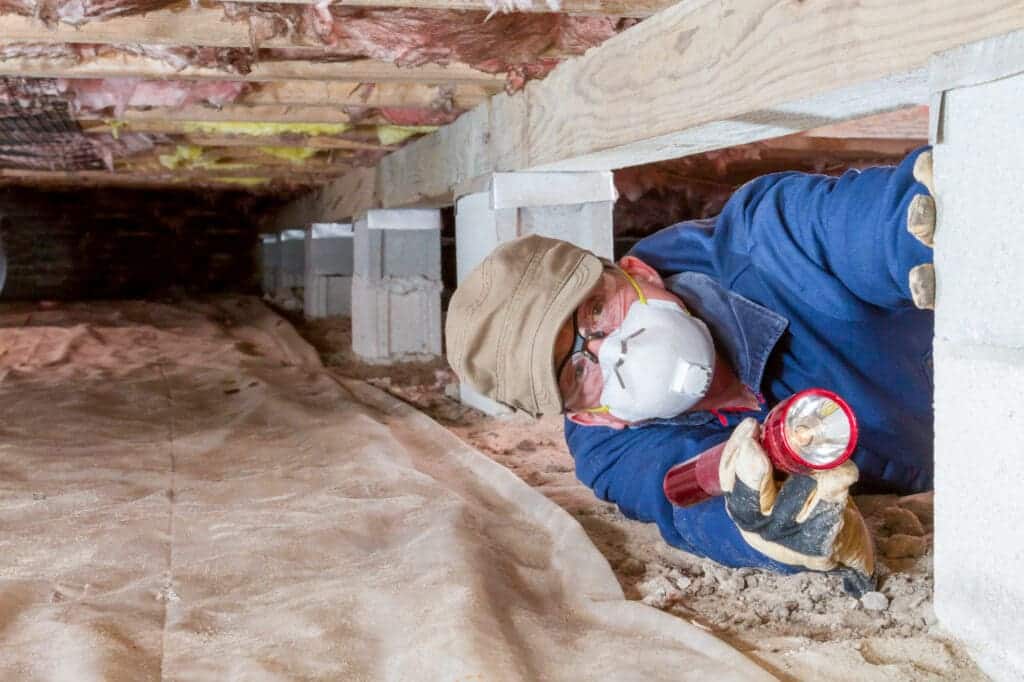
Impact of Termite Damage on Home Value
Termite damage can lower your home’s market value fast. Buyers might haggle harder, seeing it as a costly risk.
How termite history affects market value
A history of termite damage can lower your home’s value by 20-25%. Buyers often see past infestations as a red flag. Even if the termites are gone, the damage stays in their minds.
Structural issues from hollow-sounding wood or peeling paint scare them off.
You may need to price your house below market value to attract interest. Offering a transferable termite warranty might help ease buyer concerns. Professional repairs and clear inspection records also boost confidence.
Without these steps, selling could feel like pushing water uphill.
Negotiating the sale price with buyers
Buyers may push for a lower price if they discover termite damage. Be prepared to show any repair costs or termite inspection reports. This proves you’ve dealt with the issue and can help justify your asking price.
Cash buyers or investors might still offer to purchase, but likely at a discount. Highlighting completed repairs and offering warranties can ease their concerns. Next, explore tips on selling a house with termite damage.
Tips for Selling a House With Termite Damage in Fort Walton Beach
Be upfront about the termite issue, so buyers know what they’re getting into. A detailed inspection report can calm nerves and boost confidence in your sale.
Be transparent with potential buyers
Disclose any termite issues from the start. Hiding damage or past infestations can lead to legal trouble later. Many states have strict termite disclosure laws, and breaking them may result in lawsuits or fines.
Provide proof of repairs and inspections. Offering a transferable termite warranty can ease buyer worries about future problems. Buyers appreciate honesty, especially with big purchases like homes.
Obtain professional documentation of repairs or inspections
Hire a certified pest control company to inspect your home. Get a termite clearance letter after they finish the inspection. This letter shows buyers that any active termites or damage have been handled.
Keep records of all repairs made due to termite issues. These documents prove that the property is safe and stable again. They also help buyers trust you, making the sale smoother and faster.
Be prepared for questions from interested parties about this documentation as you move forward with selling strategies.
Price the home competitively
Set a price that reflects the home’s condition. A termite history can lower value, but pricing smartly attracts buyers. If you’ve repaired damage, show proof to build trust and justify your number.
Without repairs, aim for a fair price that factors in treatment or repair costs.
Avoid overpricing even if it feels tempting. Buyers will compare your listing with others on the market. A competitively priced home sells faster and helps you stay ahead of other properties.
Consider this step carefully before moving on to decide how to sell—repaired or as-is?
Preventing Future Termite Infestations
Stop termites in their tracks with smart home care, pest treatments, and a watchful eye for trouble signs.
Effective termite treatments
Termites can silently destroy your home. Proper treatment helps protect your house and makes it sellable.
- Soil treatments work by creating a barrier in the soil around your home. Professionals trench the soil, apply termiticide, and block termite colonies from entering. These treatments cost $5–$20 per linear foot.
- Wood treatments are great for direct infestations in lumber or furniture. Experts use surface sprays, foams, or borate solutions to kill termites on contact.
- Bait systems attract termites with poisoned bait stations. Termites take the bait back to their colony, killing others over time.
- Full-home tenting is effective for large infestations of drywood termites. The process costs $1,200–$2,500 and involves sealing the home and fumigating every corner.
- DIY sprays and insecticides save money but may not reach hidden areas like mud tubes or cellars. You risk missing active termites without professional help.
Proper treatment increases property value and prevents structural damage from worsening further down the line!
Maintenance tips to avoid future damage
Taking care of your home now can save you big headaches later. Focus on preventing termites before they cause major structural damage.
- Keep firewood, tree stumps, and deadwood at least 20 feet away from your home to avoid attracting termite colonies. These are like buffets for termites.
- Reduce moisture around your house by fixing leaking pipes, clogged gutters, or any water damage. Damp areas are perfect breeding spots for subterranean termites.
- Use mulch sparingly near your foundation since it holds moisture. Leave a gap between mulch and the base of your home to lower risks.
- Seal cracks in walls, doors, and windows to block termite entryways. Even tiny gaps can invite them in.
- Get regular termite inspections by a professional even if you don’t see signs of active termites. Early detection is key to stopping infestations.
- If you use bait systems or termite treatments around the house, follow up with maintenance as recommended by professionals. This keeps the protection strong over time.
- Trim branches and bushes so they don’t touch your roof or walls. Termites can use them as bridges to reach your home.
- Replace wood that shows signs of bubbling paint or discolored drywall caused by moisture issues or termite droppings to avoid further damage.
- Store cardboard boxes off the floor in dry areas like shelves instead of garages or basements where dampness invites pests like formosan termites.
- Consider getting a termite warranty from pest control services after treatment for peace of mind against future problems with active termites or colonies nearby.
In Conclusion
Selling a house with termites isn’t illegal in Fort Walton Beach, FL, but honesty is key. You must tell buyers about any termite problems to avoid legal trouble. Fixing damages or selling as-is are your main options, based on time and budget.
Be upfront, stay proactive, and focus on finding the right buyer. Transparency can help you close the deal faster!
For further reading on property rights and selling a house, check out Can My Husband Sell Our House Without Me?.
FAQs About If it’s Illegal to Sell a House with Termites
1. Is it illegal to sell a house with termites?
No, selling a house with termites is not illegal, but you must disclose the termite history and any active infestation to potential buyers.
2. How do I know if my home has termites before selling?
Look for signs like mud tubes, hollow-sounding wood, discarded wings, termite droppings, or bubbling paint. A termite inspection can confirm their presence.
3. Do I need to fix termite damage before selling my home?
You don’t have to repair all structural damage caused by termites, but untreated issues may lower property value or scare off buyers during a home inspection.
4. What types of termites could affect my sale?
Subterranean termites are common in many areas and cause severe structural damage over time. Drywood and dampwood termites also create problems depending on climate and moisture levels.
5. Can termite treatment increase my home’s value?
Yes! Treating an active infestation or offering a valid termite warranty shows buyers you’ve taken preventative measures against future colonies.
6. Should real estate agents help handle disclosure about past infestations?
Yes, experienced agents can guide you through proper disclosure rules so the deed transfer avoids legal risks tied to undisclosed damages or repairs from previous infestations like Formosan termites or other species affecting your foundation integrity!
Still have questions or want to know how much we can pay for your house?
Feel free to give us a call to (850) 499-0532 or fill in the secure form. Our offer is 100% free, and you have absolutely no obligation to accept it. What do you have to lose?
Additional Real Estate Tips and Resources For Selling Your Property
What you shouldn’t fix when selling a house
Tax questions to ask when inheriting a house
Options If Your Behind on Your House Payments
Tips for selling a house in the Winter
Do I need the original deed to sell my house
Can I Sell My House if I’m Behind on Payments
Can I Sell My House and Still Live in It Rent Free
The Benefits of Accepting a Cash Offer on Your House
How Much Does it Cost To Sell a House
Can I Sell My Parents Home With Power of Attorney
If I Sell My House For $300k How Much Do I Get
Can I Still Sell My House If It’s in Foreclosure
Can I Sell My House Rent-to-Own If I Have a mortgage
Can I Sell My Home If I’m renting It Out
How To Sell Your House Fast Without an Agent
Moving Abroad Should I Rent or Sell My House
St. Joseph Prayer For Selling A House Fast
Ultimate Guide on How To Sell Your House For Cash Fast
Should I Sell My Rental Property? 6 Signs It’s Time
Can I Refuse To Sell My Home To an Investor
Is Now a Good Time to Sell a House
How to sell a fire-damaged house
Can I sell my rental property with tenants in it
is it safe to sell your house for cash